How Do Freight Brokers Find Carriers? A Complete Guide
Managing people, maintaining payroll, and dealing with changes in supply chain regulations are just a few of the more major tasks you face as a carrier.
While some carriers depend on manual, yet proven methods for maintaining operational efficiency, you as an LTL carrier must go a step further. Less Than Truckload is probably one of the more complex beasts in the industry. So much so that scaling a completely manual LTL business would be quite a difficult endeavor.
To counter some of the complexity of it all, LTL carriers integrate innovative technology into their daily activities.
And this is where full-fledged LTL software systems come into play. These platforms are generally fairly robust and complete LTL management solutions. They feature all the tools and reporting functions needed to fine-tune routing, capacity, and communication efforts. LTL software can range from simple applications for load management to complete platforms for managing all aspects of business.
In this blog post, we'll explore the key features and benefits of LTL software solutions that help you manage these challenges effectively. We'll explain the basic tools and apps that can be customized based on your size, scope, or customer needs:
- Customer Freight Pickup
- Billing Management
- Cross-Dock Management
- Route Planning
- Customs Documentation and Processes
Customer Freight Pickup
The movement of your customer's freight begins with the pickup.
Shippers typically book LTL carriers when they don't have enough freight to justify a full truckload. However, some opt for this freight movement because of its flexibility, more specifically, flexible pick-up windows. On your side of the situation, this benefit often introduces challenges, especially communicating with drivers on the road.
An LTL software solution typically begins with a versatile order pickup entry gateway that includes:
- EDI support
- Web portal accessibility
- Advanced visual route planning software
- Mobile device connectivity for drivers to capture data
- Manual image upload capabilities as needed
Having this valuable information easily accessible allows you to better optimize pickups while reducing downtime.
Billing Management
Staying on top of customers and vendors who are late with paying their billscan be a challenge for you as an LTL carrier.
This critical daily operational task is streamlined with robust LTL carrier software solutions. Packed with automated tools and advanced technology, LTL software platforms can be configured to provide local or remote bill cycle management. This enables you to be proactive with weekly, monthly, quarterly, or annual billing.
You can access, audit invoices, and forward documents to customers via their communication or billing preferences, whether it's the shipper or a 3PL operating on their behalf.
Cross-Dock Management
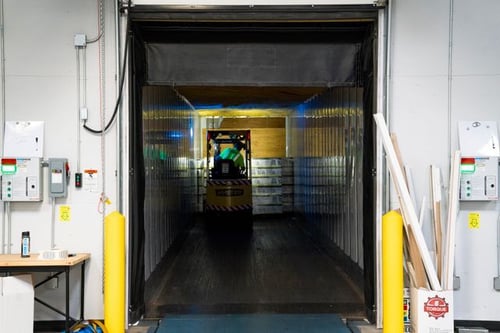
A crucial component of your LTL operation is cross-dock and yard management.
Terminals and loading depots are the lifeblood that powers your efficiency as an LTL carrier. The more efficient and streamlined your operation, the fewer delays and reduced financial impact you'll experience. Smart LTL carriers utilize cross-dock management tools available in LTL software that helps them manage their transitional operations.
Route Planning
As an LTL carrier, you operate with multiple delivery and pickup routes that must be optimized to save money on fuel, driver payroll, and vehicle maintenance. That's not to even mention that CDL drivers are in short supply these days. This makes the task of route planning and optimization even more critical than ever before.
LTL software is packed with tools that help you:
- Review delivery and pickup routes
- Plan optimal routing
- Optimize for efficiency
The software can be configured with visual planning for:
- Routing
- Loading
- Tracking
- Line haul operations
Your drivers can receive updates on their mobile devices when delivery or pickup windows change due to customer availability or other unplanned activities.
Customs Documentation and Processes
If you offer cross-border services, dealing with customs declaration and document processing is time-consuming, yet incredibly important to efficiently moving freight across borders. LTL software has multiple reporting and automated tools that help to expedite customs documentation processing.
Final Thoughts
Arguably the best attribute of LTL software solutions is the flexibility of configuration.
You can create custom dashboards, personal user accounts, and apps that allow you to power individual teams. The best LTL software is typically customized and implemented by experienced logistics partners—Redwood Logistics brings 30+ years of expertise to help you find the right solution.
FAQs
What is LTL software?
LTL software is a management system built for Less Than Truckload carriers to help organize pickups, billing, route planning, cross-dock operations, and customs documentation. It can range from simple load-management tools to full platforms with reporting, dashboards, and workflow support. The main goal is to reduce manual work and keep complex LTL operations running efficiently.
Why do LTL carriers need specialized software instead of manual processes?
LTL carriers need specialized software because they manage multiple pickup and delivery routes, freight consolidation, and cross-dock coordination at the same time. Manual systems can work for smaller tasks, but they become difficult to scale in a complex LTL environment. Software helps optimize these moving parts, reduce delays, and improve overall efficiency.
How does LTL software help with route planning and optimization?
LTL software helps with route planning by reviewing pickup and delivery routes, planning the most efficient path, and adjusting for factors like fuel cost and driver availability. Many platforms also provide visual planning for routing, loading, tracking, and line-haul operations. Drivers can receive mobile updates when delivery or pickup windows change unexpectedly.
What features should I look for when choosing LTL software?
Look for LTL software that includes customizable dashboards, billing management, cross-dock tools, route optimization, and mobile connectivity for drivers. EDI support, web portal access, and reporting capabilities are also important for keeping data moving across teams and systems. The best choice depends on your operational size, scope, and customer needs.
Can LTL software integrate with EDI, APIs, and web portals?
Yes, most LTL software solutions can integrate with existing systems through EDI support, web portals, and APIs. These connections make it easier to exchange shipment data, communicate with drivers, and keep billing or pickup information synchronized across the operation. Integration is a key reason these platforms fit into established carrier workflows.
How does LTL software support billing and invoice management?
LTL software streamlines billing by supporting local or remote bill cycle management and helping carriers handle weekly, monthly, quarterly, or annual billing. It can also be used to audit invoices and forward documents based on customer communication preferences, whether the shipper or a 3PL is handling the account. That makes collections and documentation more organized.
Does LTL software help with cross-dock and customs processes?
Yes, LTL software can support both cross-dock management and customs documentation. For cross-dock operations, it helps carriers manage terminal and yard activity more efficiently so freight moves with fewer delays. For cross-border shipments, it can automate reporting and document processing to speed up customs declaration workflows.
Tags: