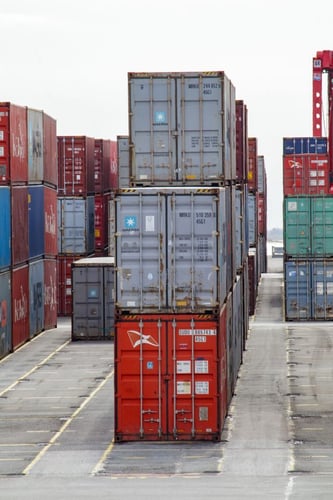
Freight Management System Selection for Manufacturers
The modern fulfillment center is a bustling hub of activity.
With inbound logistics moving around thousands of tons of new products daily through supply chains, there is a lot of moving parts to keep in constant motion. Keeping track of inventory, customer orders and other daily functions are a lot to handle and most supply chain operators make use of logistics software to help them keep things streamlined.
In fact, fulfillment centers and distribution hubs are always on the lookout for solutions that not only improve workflow but are dependable, easy to access and handle complete fulfillment procedures. And considering that one of the largest areas of any supply chain is order fulfillment, fulfillment software platforms are some of the most in high-demand.
Fulfillment software platforms are robust order management and processing systems used by distribution centers to handle a number of tasks. A fully-featured fulfillment software solutiona can handle:
- Inventory levels
- Processing customer orders
- Managing daily activities
If you manage or work within a distribution center, then this blog post is for you. In this blog post, we will be going over a few tips that may help you find the right fulfillment software that meets your needs.
Make Sure It's Designed to Save Time
No matter what software platform you ultimately decide to implement, the very first thing to consider is whether or not it actually saves you any time.
One of the biggest appeals of employing software to help with any task is to expedite that task. If the software did nothing more than produce the same results in the same amount of time as handling it all manually, why would you bother?
When it comes to fulfillment software, consider your goals for it first:
- Speed up order processing
- Cut down on picking or packaging delays
- Quick access to inventory data through integrated warehouse management software
Regardless of the primary function(s) you need it to serve, does it speed up the process?
Verify the Cost Saving Attributes
Aside from saving you a ton of time and decreasing order delays, your fulfillment software should also help you discover ways to cut various costs.
Equipped with a fully-featured fulfillment software, you should be able to:
- Search for the best carriers
- Find deals for shipping materials
- More accurately retain inventory levels
All in an effort to save both you and your customer money.
Distribution centers rely on numerous materials to package and ship out products. Even small savings unlocked by shipping optimization software may not seem like much at first, but when compounded over multiple orders, they add up quickly.
Customized for your Business
Not all businesses are the same. Software that may work tremendously well for one company may not work out the same way for another. Even if they operate in the same industry.
Most modern fulfillment software solutions are incredibly well-designed. Better yet, most of them take a somewhat "one-size-fits-all" approach. Most are made to be scalable to fit the needs of any growing business.
However, this is not always the case. You still need to do your due diligence and ensure that you have some leeway with the platform. You need to be able to customize, adjust and upgrade as needed.
Consider your business model:
- B2C operations: Make sure you have the tools to improve customer communication.
- B2B operations: The platform should be configured to improve the flexibility of shipping solutions to business consumers.
Make Sure to Power the 3PL Software with Relevant Insights
Integrating a platform with powerful reporting tools and metric monitoring helps review performance, make improvements, and ultimately, better serve customers. Most fulfillment software solutions come equipped with powerful reporting tools. And when it comes time to review KPIs, you want the power of reporting tools on your side!
At the heart of any software upgrade is implementation. Working with an experienced partner using Redwood's Open 4PL approach ensures successful development, training, and implementation.
Final Thoughts
The right fulfillment software should save you time, reduce costs, adapt to your business, and give you the insights you need to keep improving. Contact Redwood Logistics if you need help connecting you to that technological solution for your company!
FAQs
What should I look for in fulfillment software?
The best fulfillment software should save time, reduce costs, adapt to your business, and provide useful reporting. It should help speed up order processing, reduce picking or packaging delays, improve inventory visibility, and support better carrier and materials decisions. A good platform also gives you room to customize and scale as your operation grows.
How does fulfillment software help save time in a distribution center?
Fulfillment software saves time by speeding up order processing and reducing manual work in picking, packaging, and inventory lookup. When it is integrated with warehouse management software, teams can access inventory data faster and keep daily fulfillment tasks moving more efficiently. The key question is whether the system actually shortens the process, not just digitizes it.
Can fulfillment software reduce shipping and packaging costs?
Yes, fulfillment software can help reduce costs by making it easier to find better carriers, identify deals on shipping materials, and track inventory more accurately. Even small savings can add up across many orders. The value comes from improving decisions in packaging, shipping, and inventory management rather than relying on manual guesswork.
How should fulfillment software be customized for B2B or B2C operations?
Fulfillment software should match your business model, because B2B and B2C operations have different needs. B2C teams often need stronger customer communication tools, while B2B operations usually need more flexibility in shipping solutions for business buyers. The platform should be customizable, adjustable, and scalable rather than locked into a one-size-fits-all setup.
Why are reporting tools important in fulfillment software?
Reporting tools are important because they help you monitor KPIs, review performance, and make improvements over time. A fulfillment platform with strong reporting gives you the data needed to understand what is working and where delays or inefficiencies are happening. That visibility supports better service and more informed operational decisions.
When does a fulfillment software upgrade need outside implementation support?
An implementation partner is especially helpful when a fulfillment software upgrade involves development, training, and rollout across teams. Software alone is not enough; successful adoption depends on how well the system is configured and supported during setup. Having experienced implementation guidance helps the platform deliver its intended time, cost, and reporting benefits.
Tags: