7 Digital Supply Chain Mistakes to Avoid Before Scaling
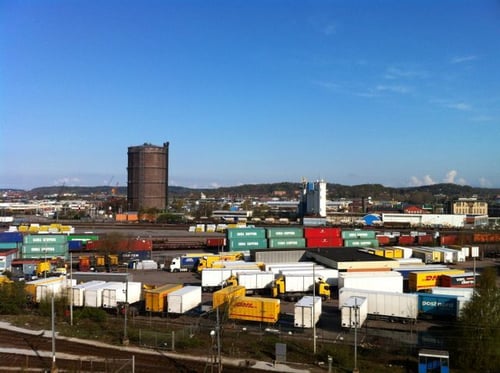
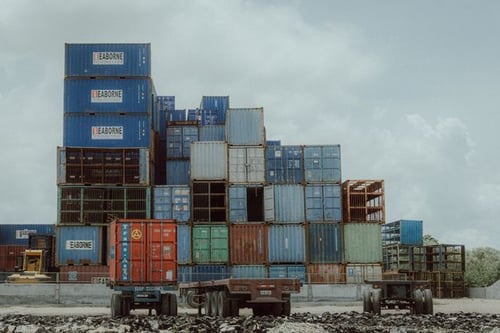
Managing trucks, trailers, pallets, and personnel across a busy yard can quickly become chaotic without the right tools—leading to delays, lost inventory, and frustrated workers. Without real-time visibility, your warehouse operators waste valuable time searching for assets instead of moving goods efficiently.
Yard management systems (YMS) solve this problem by providing the visibility and control you need to streamline operations. A YMS is any software-based system designed to facilitate the management of trucks, trailers, pallets, or even personnel in the yard, warehouse, or fulfillment center. For businesses seeking to optimize their transportation management operations, understanding YMS capabilities is essential.
In this blog post, we'll explore what YMS is, how to evaluate your needs before purchasing a system, key integration considerations, and emerging trends like drone technology that are reshaping yard management.
These systems are able to provide warehouse operators with real-time information regarding the location of various assets whether in the yard or out on the warehouse floor. With this information always at hand and up-to-date, yard workers can more easily and efficiently find pallets, machinery and other goods in the yard in an effort to better streamline the movement of items and people within the yard.
In a nutshell, it is software that will make your job of keeping warehouse operations moving and go just a bit smoother.
Know What You Need From A YMS
When you are shopping around for new equipment or software to put into place in your day-to-day logistics operations, it is a wise idea to familiarize yourself with it a bit first. And to help you get started off on the right foot, I have come up with a few pointers to give you:
What Are Your Current Issues With Yard Management?
The very first step in determining which YMS to purchase is analyzing what problems you are trying to resolve. Consider these common pain points:
- Workers having trouble locating pallets
- Customers complaining of late deliveries
- Inefficient movement of items and personnel
Locate all of your pain points and determine what requirements a new system would have to meet in order to correct them.
How Easy Is It To Integrate Into Your Warehouse?
For a yard management system to work optimally, it must have capabilities that allow it to integrate with other technology you have in place. Key integrations to look for include:
- Cloud integration
- Scheduling software
- Billing tools
Additionally, if you use RFID or Bluetooth extensively in your warehouse, will the YMS be able to communicate with the devices that operate through that technology?
Is The ROI Worth It?
Anytime you implement a new system, it is going to be reflected in the overall cost of doing business. Obviously, money can't just be plucked from the sky, so you need to give some thought to the technology ROI you can expect from this system.
Is your new YMS going to reduce workload and free up your personnel for other tasks? Will it improve efficiency in any way?
In other words… does the cost justify the return?
Not All YMS Are Created Equal. Ask For A Demo.
Some, but not all, of the YMS businesses out there offer some sort of demo option for serious inquiries. These demos typically include access to all of the core functionality, customer support and helplines, and possibly a few extra add-on features.
There are many YMS systems on the market currently, each with their own pros and cons. It would benefit you to leave your current yard management efforts in place as you test out a few of these software systems in a controlled environment.
This is recommended for two reasons:
First, yard management software is generally going to be rather costly, and that alone can be a huge barrier to get across. If you are going to spend in the thousands for a new system, you will, of course, want to make sure you like it before you decide to make a purchase.
Secondly, by familiarizing yourself with some of the core components ahead of time you will know if it will actually benefit your yard management efforts, or slow them down. Moreover, when you get ready to actually put the system in place for the first time, you will have a much better idea of how all the pieces should be put together. Inevitably, this will decrease the amount of time it takes to launch the new system, keeping downtime at a minimum as you transition from one system to the next.
An Emerging YMS Trend: Pairing Drones With A YMS
Yard management systems as we know them today are still a rather young form of technology. Yes, it has been around for quite some time now, but what I mean is that it still hasn't fully reached its potential growth and capabilities. And with each passing year, new trends in the YMS market appear and point to certain areas of considerable expansion that may be just right around the corner.
One of these latest trends to hit the YMS space is the use of drones in conjunction with a software suite.
Drones can easily be flown overhead through a large yard where inventory or other machinery may be spread out between them. When this is performed by human workers, it requires tons of walking more often than not, draining physical energy and reducing employee productivity on more pressing tasks.
Furthermore, it cuts the cost of manual labor or rather, is able to make better use of them as the workload is split almost in half in many cases.
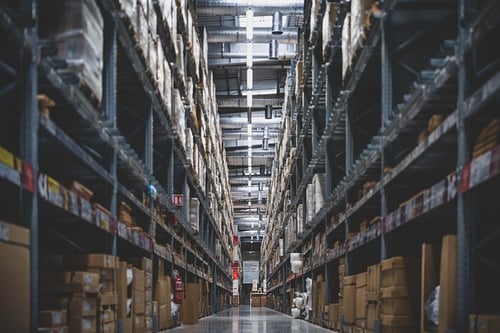
When used inside of a large warehouse setting, drones can be flown through densely lined rows of inventory to quickly take a count of all inventory within a certain radius. When you have inventory that needs to be moved around to scan codes on a box that just happens to be buried under all the others or have to move a ladder around in order to log some products that are just out of reach, it can be rather time-consuming.
They are capable of doing this with greater ease because they can be equipped with a variety of sensors, including:
- RFID readers
- GPS
- Character recognition software
- Barcode scanners
Thanks to this capability, a drone can be programmed to fly autonomously through the yard while the RFID reader picks up signals from RFID chips attached to pallets, shipping containers or machinery when the drone gets within a certain proximity (this can even be done to track the movement of personnel remotely). The signal is then processed through the GPS which tells the drone exactly where the signal is originating from. Finally, this data is uploaded automatically from the drone to the YMS. All of this takes place with little to no human interaction as the drones can be configured to self-navigate their course.
It is important to note that while you can fly an autonomous drone indoors with no regulation, flying it outdoors is a little trickier. Flying a drone in an outdoor yard falls under the requirements as set forth by the Federal Aviation Administration (FAA). These requirements include the need for the drone to be operated only by an FAA-certified operator and they must always keep a clear line-of-sight.
Final Thoughts
Yard management systems make life easy for everyone from the inventory management team to the yard employees who need to be able to find specific pallets, machinery, shipping containers or even personnel.
By following the advice and tips that I've laid out in this article, you should have no issue finding the perfect YMS to meet the needs of your growing business. Ready to optimize your yard management and overall supply chain operations? Contact Redwood Logistics today to learn how our Modern 4PL approach can transform your logistics.
FAQs
What is a yard management system?
A yard management system is software designed to manage trucks, trailers, pallets, personnel, and other assets in a yard, warehouse, or fulfillment center. It gives operators real-time visibility into where things are so they can move goods more efficiently and spend less time searching for inventory or equipment.
How does a yard management system improve warehouse operations?
A yard management system improves warehouse operations by providing real-time location data for assets in the yard and on the warehouse floor. That visibility helps workers find pallets, machinery, and other goods faster, reduces wasted movement, and keeps items and people flowing more smoothly through the operation.
What problems should a yard management system help solve?
A yard management system should help solve issues like workers struggling to locate pallets, customers receiving late deliveries, and inefficient movement of items and personnel. Before buying, it helps to identify the exact pain points you want the system to correct so you can match features to operational needs.
What should you look for when evaluating a yard management system?
When evaluating a yard management system, focus on how well it fits your current workflow, how easily it integrates with other tools, and whether the return justifies the cost. Important integration points include cloud platforms, scheduling software, billing tools, and technologies like RFID or Bluetooth.
Why is integration important in a yard management system?
Integration is important because a yard management system works best when it can communicate with the technology you already use. Cloud systems, scheduling software, billing tools, RFID, and Bluetooth devices all affect how smoothly the YMS will operate in real-world warehouse conditions.
Is it worth asking for a demo before buying a yard management system?
Yes, a demo is worth asking for because yard management software can be costly and not every system will fit your operation. A demo lets you test core functionality, support options, and any add-ons in a controlled environment, which can reduce launch time and minimize downtime during implementation.
Can drones be used with a yard management system?
Yes, drones can be paired with a yard management system to help count inventory and locate assets more efficiently. They can use tools like RFID readers, GPS, character recognition software, and barcode scanners to collect data and upload it automatically to the YMS with little human interaction.
Tags: