USMCA Explained: How It Affects Your Shipping in 2026
What is lean logistics, and how can it help you cut costs without sacrificing service? This guide breaks down the core principles of lean supply chain management, walks through the seven types of waste you should be looking for, and shows you how to apply lean thinking to your freight operations using a Modern 4PL approach.
What Is Lean Logistics?
Lean logistics is a supply chain management approach that focuses on delivering maximum customer value while eliminating waste from every step of the process. It borrows principles from lean manufacturing and applies them directly to how you move, store, and manage freight. The goal is simple: do more with fewer resources, less time, and less wasted effort.
If your transportation costs keep climbing but your service levels stay flat, lean logistics gives you a framework to fix that. When you look at your current operations, how much time and money disappears into inefficiencies you have learned to live with? Trucks sitting at docks. Inventory collecting dust. Manual processes that should have been automated years ago. These are the kinds of problems lean logistics is built to solve.
In this blog post, we will walk through the core principles of lean logistics, identify the most common types of supply chain waste, and lay out practical steps you can take to apply lean thinking to your own operations.
Core Principles of Lean Logistics
Lean logistics is built on a handful of foundational principles. Each one plays a specific role in helping you create a more efficient, responsive supply chain.
- Value creation: Every activity in your supply chain should directly benefit the customer or move product closer to delivery. If a step does not do one of those two things, it is a candidate for removal.
- Waste elimination: This means actively identifying and removing steps, movements, or resources that consume time and money without adding value. It is the central discipline of lean logistics.
- Continuous improvement (Kaizen): Rather than waiting for a major overhaul, you make small, steady refinements to your processes on an ongoing basis. Kaizen is a Japanese term that literally means "change for the better."
- Just-in-Time (JIT) delivery: You move goods precisely when they are needed, not weeks in advance. This just-in-time approach keeps storage costs low and reduces the risk of holding obsolete inventory.
- Pull-based flow: Instead of pushing product into the supply chain based on forecasts, you let actual customer demand pull inventory through the system.
When these principles work together, the results show up as faster fulfillment, lower operating costs, and a supply chain that can adapt when conditions change. That adaptability is especially important for shippers managing freight across multiple modes and regions.
The Seven Wastes in Logistics Operations
Lean methodology identifies seven specific categories of waste, often called "muda." Think of these as a checklist you can use to diagnose inefficiencies in your own operations.
- Transportation waste: Unnecessary movement of goods between locations. Every extra mile adds fuel cost and increases the chance of damage.
- Inventory waste: Holding more stock than you need. Excess inventory ties up cash and hides deeper process problems like unreliable lead times.
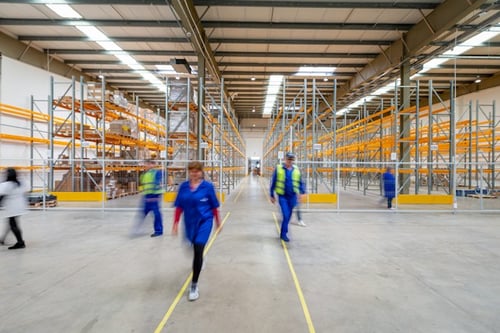
- Motion waste: Inefficient movement of people or equipment inside your facilities. A poorly designed warehouse layout can add miles of unnecessary walking every shift.
- Waiting waste: Idle time at any point in the process. Trucks waiting at loading docks, orders waiting for manual approval, shipments waiting for carrier confirmation.
- Overproduction waste: Manufacturing or shipping more than current demand requires. This is often considered the worst form of waste because it triggers several of the others.
- Overprocessing waste: Redundant handling or steps that do not add value for the end customer. Using complex packaging for a durable product is a common example.
- Defects waste: Errors that require rework, returns, or corrections. Shipping the wrong item or the wrong quantity drains profitability fast.
Spotting these wastes is the first step. The real work is building repeatable processes that prevent them from coming back.
How Lean Logistics Differs from Traditional Supply Chain Management
Traditional logistics and lean logistics start from different assumptions. Understanding the contrast helps you see where your current operations might be leaving money on the table.
| Aspect | Traditional Approach | Lean Logistics Approach |
|---|---|---|
| Inventory strategy | Buffer stock to prevent shortages | Minimal inventory, JIT replenishment |
| Process focus | Task completion and volume | Continuous waste elimination |
| Decision-making | Forecast-driven | Demand-driven |
| Improvement model | Periodic reviews | Ongoing Kaizen cycles |
| Supplier relationships | Transactional | Collaborative partnerships |
The biggest mindset shift is moving from "just in case" to "just in time." That does not mean you eliminate all safety stock overnight. It means you right-size your inventory based on actual demand signals and reliable lead time data, rather than padding everything with extra buffer.
Key Benefits of Lean Logistics for Shippers
When lean principles take hold in your supply chain, the benefits go well beyond simple cost cuts.
- Lower operational costs: You spend less on excess storage, fuel, handling, and labor that was not adding value in the first place.
- Faster order fulfillment: Streamlined processes shorten the time between when an order is placed and when it arrives.
- Improved inventory turns: Less capital sits in warehouses, which frees up cash flow for other priorities.
- Greater flexibility: Your network can respond to demand swings or disruptions without scrambling.
- Higher service levels: Fewer errors and delays mean a better experience for your customers.
These gains build on each other over time. Small improvements in waste reduction compound into meaningful savings and service improvements year after year.
How to Apply Lean Principles to Your Supply Chain
You do not need to overhaul everything at once. Lean implementation works best when you start with a clear picture of where you are today and make targeted improvements from there.
1. Map your value stream
Document every step from order placement to final delivery. Identify which activities add value and which ones just consume resources. This visual map will reveal bottlenecks you may not have noticed before.
2. Identify waste hotspots
Use the seven wastes framework to examine your transportation routes, warehouse workflows, and order processing steps. Pay close attention to areas where freight sits idle or requires multiple touches.
3. Establish baseline metrics
Measure your current cycle times, inventory levels, and error rates. Without a baseline, you cannot accurately track whether your changes are working.
4. Prioritize quick wins
Start with changes that are low effort but high impact. Consolidating smaller shipments into fuller loads or eliminating an unnecessary handling step can deliver fast results and build momentum for larger projects.
5. Build continuous improvement cycles
Set up regular review cadences to assess progress and identify the next opportunity. Lean is not a project with a finish line. It is an ongoing operating discipline.
6. Use technology for real-time visibility
Freight visibility platforms and tracking tools help you see waste as it happens, not after the fact. Platforms built on open architecture make it easier to connect your existing systems and share data across partners without ripping and replacing what you already have.
Common Challenges When Implementing Lean Logistics
Lean adoption is highly rewarding, but it comes with real obstacles. Knowing what to expect helps you plan around them.
Resistance to change is common. Teams that have done things a certain way for years may push back on new workflows, especially if the "why" behind the change is not clearly communicated.
Lack of visibility makes it hard to find waste in the first place. If you cannot see what is happening across your supply chain in real time, you are making decisions based on incomplete information.
Siloed systems create blind spots. When your TMS, ERP, and warehouse systems do not talk to each other, your team ends up relying on spreadsheets and manual workarounds to fill the gaps.
Supplier and carrier coordination takes time. Lean operations require tight alignment with your logistics partners, and that alignment does not happen overnight.
These challenges are manageable with executive sponsorship, a phased rollout, and technology that connects your systems rather than adding another silo. An open ecosystem approach, where you can integrate your TMS, data sources, and partner tools without being locked into a single platform, directly addresses the visibility and coordination gaps that stall most lean initiatives.
Lean Logistics and the Modern 4PL Approach
Lean logistics demands orchestration. You need someone coordinating carriers, modes, technology, and data across a complex, moving network. That is exactly what a 4PL approach is designed to do.
Redwood's Modern 4PL model operates as an open ecosystem of logistics execution and supply chain technology. Instead of forcing you onto a single rigid platform, it lets you connect the partners, systems, and services that fit your business. That flexibility is what makes lean outcomes achievable at scale.
Here is how the model supports lean principles in practice. Continuous carrier optimization removes routing and mode selection inefficiencies you might not catch on your own. Managed transportation programs build regular performance reviews and data-driven recommendations into your operating rhythm. Real-time visibility and proactive exception management keep shipments moving on schedule, supporting just-in-time execution. And an open supply chain integration platform connects your existing TMS, ERP, and WMS so data flows without manual intervention.
For shippers who want lean results without building everything in-house, this kind of orchestration model fills the gap between strategy and execution.
Final Thoughts on Lean Logistics
Lean logistics is not a one-time project. It is a commitment to continuously finding and removing waste from your supply chain. The principles are straightforward, but executing them well requires visibility, coordination, and often a partner who can help orchestrate the moving pieces.
For shippers managing complex freight networks across multiple modes and carriers, a Modern 4PL approach provides the foundation for sustainable lean operations. You do not have to tackle it alone.
If you are ready to reduce waste and build a more efficient supply chain, contact Redwood to start the conversation.
Frequently Asked Questions About Lean Logistics
What is the difference between lean logistics and agile logistics?
Lean logistics focuses on eliminating waste and creating efficient, repeatable processes. Agile logistics prioritizes speed and flexibility to respond to unpredictable demand or market disruptions.
What are the five principles of lean logistics?
The five principles are defining value from the customer's perspective, mapping the value stream, creating flow by removing bottlenecks, establishing pull-based systems driven by demand, and pursuing continuous improvement.
How does Just-in-Time delivery reduce supply chain costs?
Just-in-Time delivery lowers inventory carrying costs by moving goods only when they are needed. This reduces warehouse expenses and frees up working capital that would otherwise sit in stored product.
Can mid-sized shippers apply lean logistics without a large internal team?
Yes. Lean principles scale to any size operation, and working with a logistics partner that provides visibility, optimization, and integration capabilities allows mid-sized shippers to achieve lean outcomes without building extensive internal infrastructure.